Skip to product information


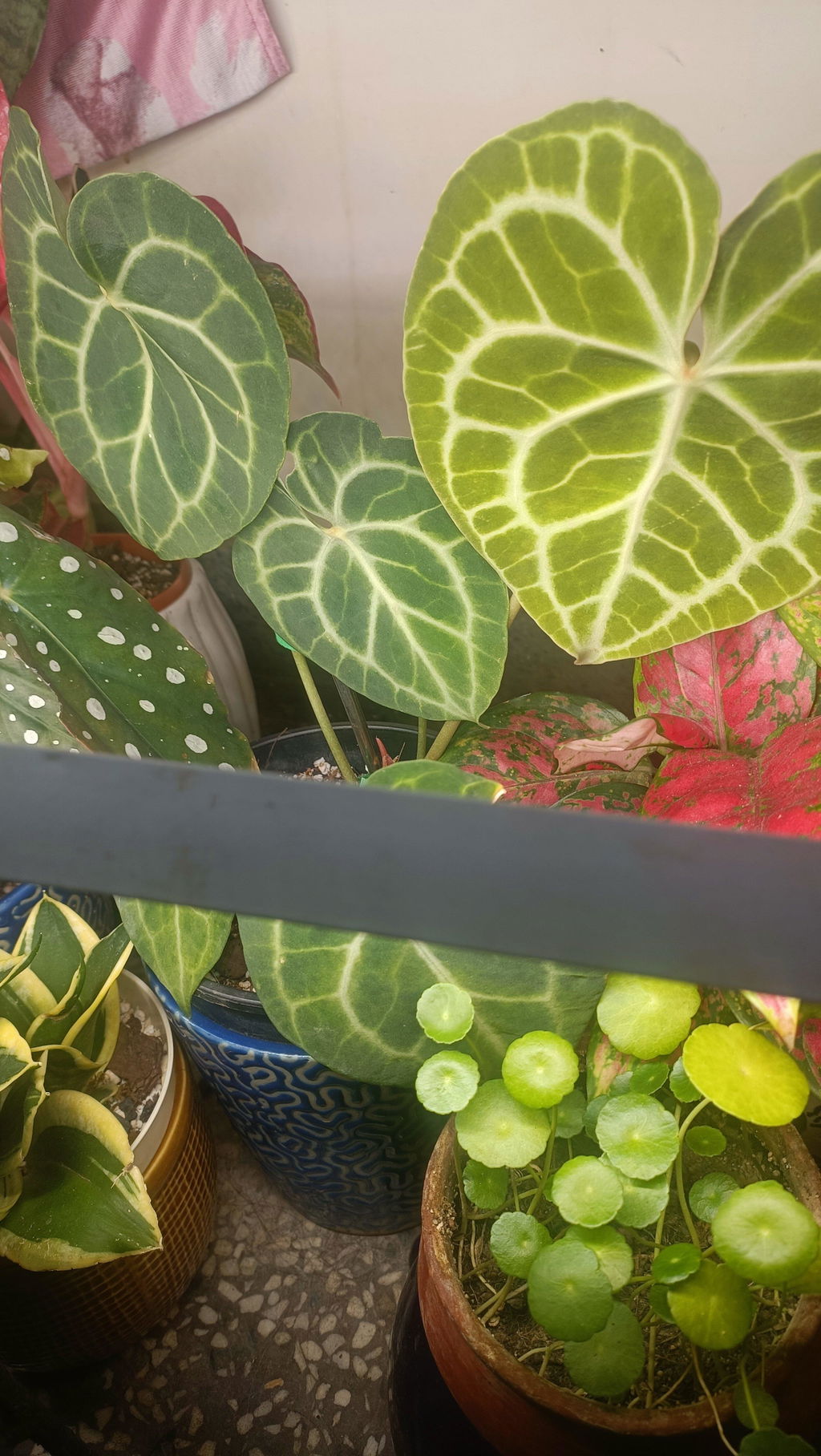
Anthurium Clarinervium
Regular price
₹ 1,599.00
Sale price
₹ 599.00
The nickname says it all — Velvet Cardboard Anthurium. Anthurium clarinervium is native to a single Mexican state, Chiapas, where it grows as an epiphyte on limestone karst and rocky outcroppings in the shaded forest. Its thick, almost leathery, heart-shaped leaves have a dense velvety surface and a network of bold, bright white veins that stand out against the deep green with the clarity of chalk on a blackboard. The leaves feel as substantial as they look — stiff, cardboard-like, built for endurance. At 40–65 cm it is compact enough for a shelf or tabletop and dramatic enough to anchor any room. One of the finest collector aroids for indoor growing.
💡 A Rock-Dweller, Not a Forest Floor Plant — Why Soil Matters
In the wild, this Anthurium grows on limestone outcrops and tree surfaces, not in ground soil. Its roots are adapted to maximum air circulation and fast drainage — dense, moisture-retentive soil will kill it. A chunky, bark-heavy aroid mix is not optional here; it is the single most important factor in keeping this plant alive and thriving long-term.
Light
▾
Bright indirect light — away from direct sun at all times. An east-facing window or 1–2 m back from a south-facing window with a sheer curtain is ideal. In autumn and winter, a little gentle direct morning sun is beneficial. The white veining dulls noticeably in low light — a reliable indicator that the plant needs more brightness. A grow light works very well.
Watering
▾
Allow the top third of the soil to dry before watering — then water thoroughly until it drains freely. Empty the saucer immediately. The chunky mix dries faster than standard potting soil; check by weight — a light pot means it's time to water. Reduce frequency in autumn and winter. Consistent overwatering is the leading cause of decline.
Humidity
▾
50–70% preferred — higher than average indoor humidity. Use a humidifier, pebble tray, or morning misting. Critically, ensure good air circulation alongside humidity — stagnant moist air encourages fungal issues on the velvety leaf surface. Do not mist in the evening. Keep away from radiators, AC vents, and heating sources.
Growing Media
▾
Chunky, bark-heavy, extremely well-draining mix — this is non-negotiable. Use: 40% orchid bark, 25% perlite, 20% coco coir, 15% potting soil. pH 5.5–6.5. Can also grow in 100% sphagnum moss kept consistently moist but never sodden. Never use dense potting soil alone. Repot every 2–3 years in spring, one size up. A shallow, wide pot suits the root system better than a deep one.
Feeding
▾
Balanced liquid fertilizer at half strength every 4–6 weeks in spring and summer only. Apply to moist soil. Flush soil every 3 months to prevent salt build-up. Do not feed in autumn or winter. Less is more — over-fertilizing causes root burn and brown tips.
🍂 Winter Rest — Cooler and Drier Is Better
In winter, allow temperatures to drop slightly to 15–18°C and reduce watering further. This cooler, drier rest period mimics the plant's natural seasonal rhythm and promotes healthier, more vigorous growth the following spring. Do not stop watering entirely — just reduce frequency significantly.
🍊 Orange Berries — A Bonus on Mature Plants
Mature Anthurium clarinervium occasionally produce flowers — a small green-white spathe, not particularly ornamental — followed by bright orange berries that are genuinely decorative. These appear on established plants only and are a sign of a thriving, well-cared-for specimen.
⚠️ Common Issues & Quick Fixes
Yellow Leaves
▾
Overwatering or direct sun. Let the top third dry completely, check drainage, and move out of any direct light. Widespread yellowing with soggy soil means root rot — unpot, trim black roots, repot in fresh chunky mix, and water much less frequently.
Brown Tips or Crispy Edges
▾
Low humidity or proximity to a heater, AC vent, or fan. Boost humidity and relocate away from drying air sources. Also check watering — prolonged dryness causes the same symptom. Existing brown tips are permanent; trim neatly.
Dull Veining or Small New Leaves
▾
Insufficient light — the white vein pattern dims visibly in low light and new leaves grow smaller. Move to a brighter indirect position or add a grow light. Feed monthly during the growing season to support healthy leaf development.
New Leaves Look Rusty or Bronze
▾
Completely normal — new leaves emerge in a rusty green-bronze colour before deepening to the rich dark green of mature leaves over 5–10 days. Do not mistake this for a deficiency or disease.
Spider Mites, Thrips or Mealybugs
▾
Inspect leaf undersides and petiole bases regularly. Wipe with a soft damp cloth then spray with diluted neem oil or insecticidal soap every 5–7 days for 3 weeks. Good air circulation and maintaining 50%+ humidity reduce pest pressure significantly.
📋 Quick Plant Profile
| Botanical Name | Anthurium clarinervium Matuda |
| Common Names | Velvet Cardboard Anthurium, White-Veined Anthurium |
| Family | Araceae |
| Origin | Chiapas, Mexico only — limestone karst and rocky epiphytic habitat |
| Signature Feature | Thick, velvety, cardboard-like heart leaves with bold white veins |
| New Leaf Colour | Rusty bronze-green → deepens to dark green over 5–10 days |
| Light | Bright indirect; no direct sun; grow light effective |
| Watering | Top third dry; empty saucer immediately; reduce in winter |
| Humidity | 50–70%; good air circulation essential alongside humidity |
| Temperature | 20°C–27°C growing; 15–18°C winter rest; no cold drafts |
| Soil | Chunky bark-heavy aroid mix; pH 5.5–6.5; or 100% sphagnum moss |
| Pot Type | Shallow and wide; always with drainage holes |
| Mature Height | 40–65 cm; spread up to 1 m |
| Berries | Bright orange; produced on mature plants after flowering |
| Propagation | Root division in spring; stem cuttings rooted in water |
| Ideal For | Collectors, Shelves, Tabletops, Bright Humid Rooms |
| Care Level | Intermediate — chunky soil and air circulation are the keys |
Size Details
1 Anthurium Clarinervium
Size:
(Plant sizes may vary slightly based on seasonal growth, individual plant characteristics, and current stock.)
Shipping & Delivery
We ship plants within 3-4 days after placing the order if we have them in stock. If not, we’ll email you with the details. Learn More
Replacement
If your plant dies during transit, please contact us with proof, including an unboxing video, and we'll replace it for free. Learn More