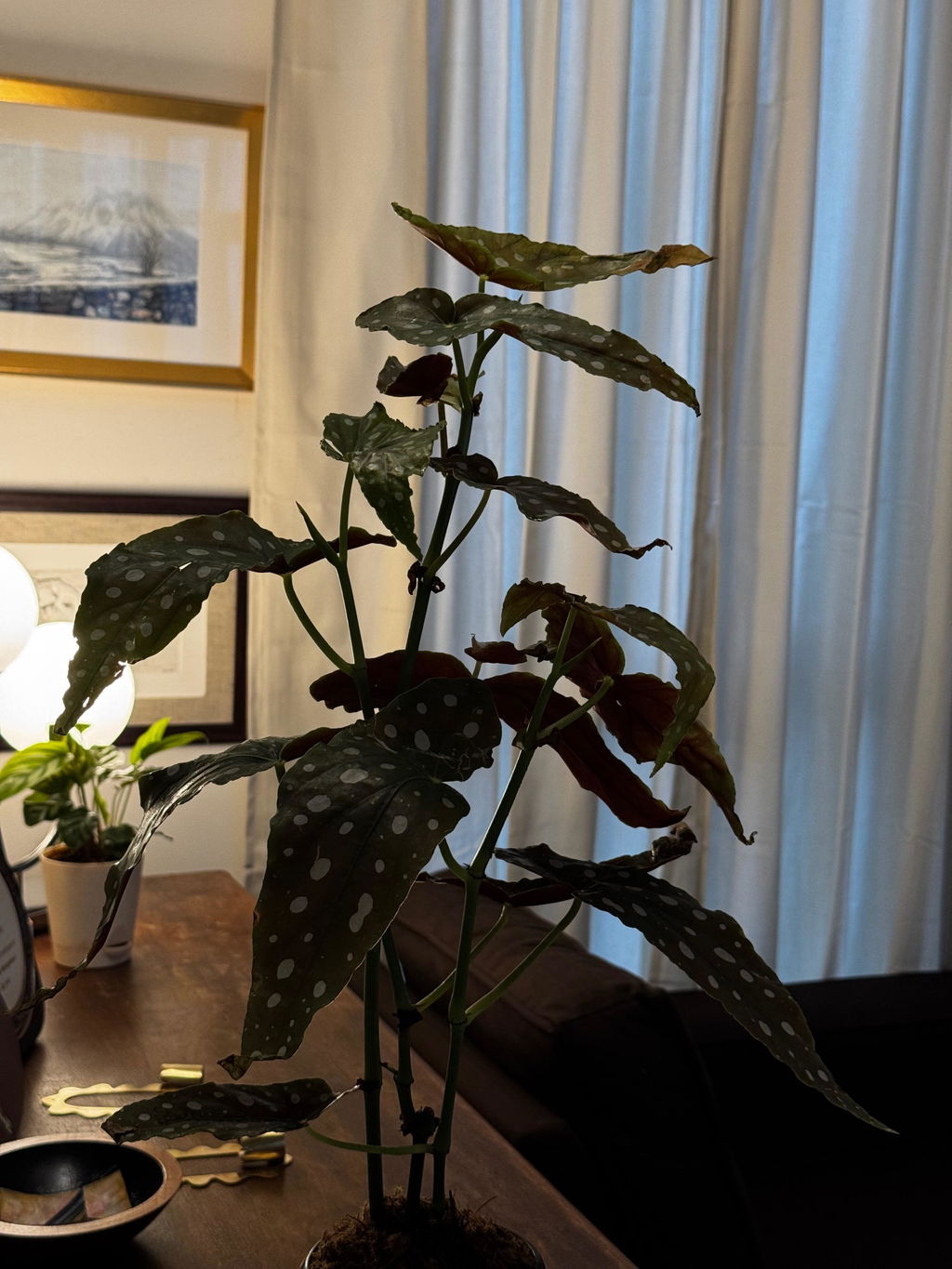
Potted plant with green leaves and white spots on a white background

Begonia Maculata

Small
Sale price  ₹ 599.00 Regular price  ₹ 999.00
Skip to product information
Potted plant with green leaves and white spots on a white background

|37 reviews

Begonia Maculata

Regular price  ₹ 999.00 Sale price  ₹ 599.00
Size

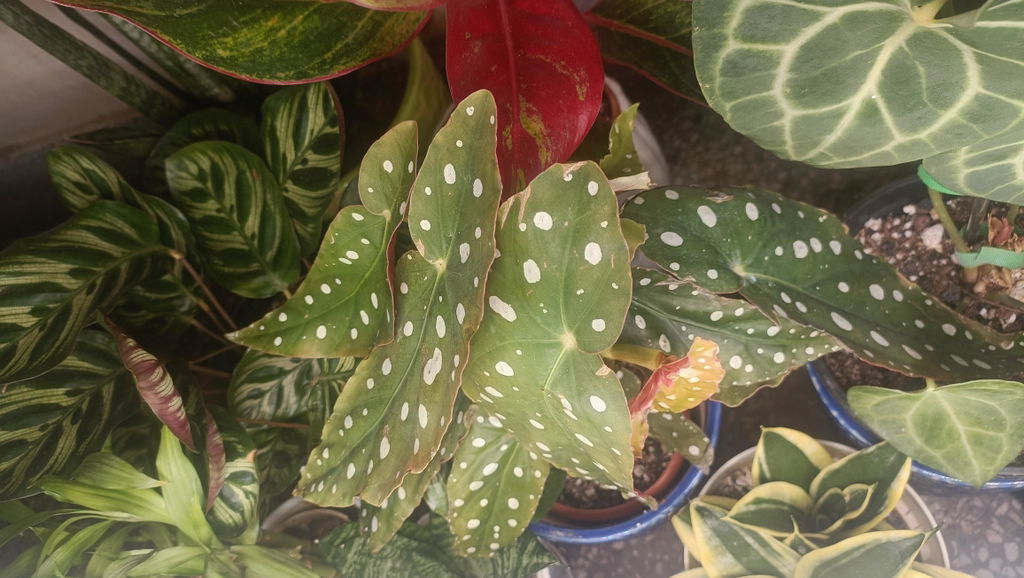
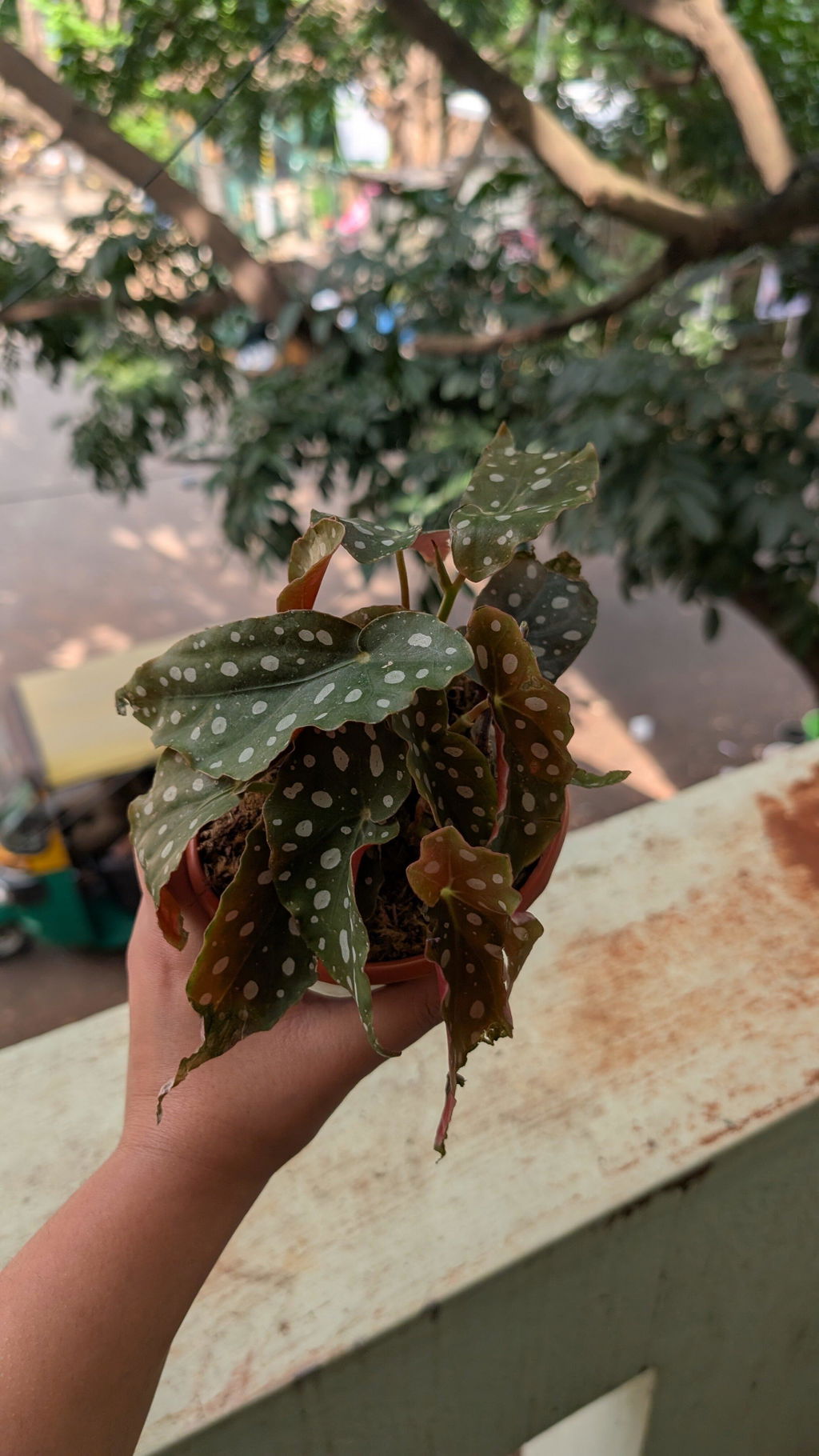
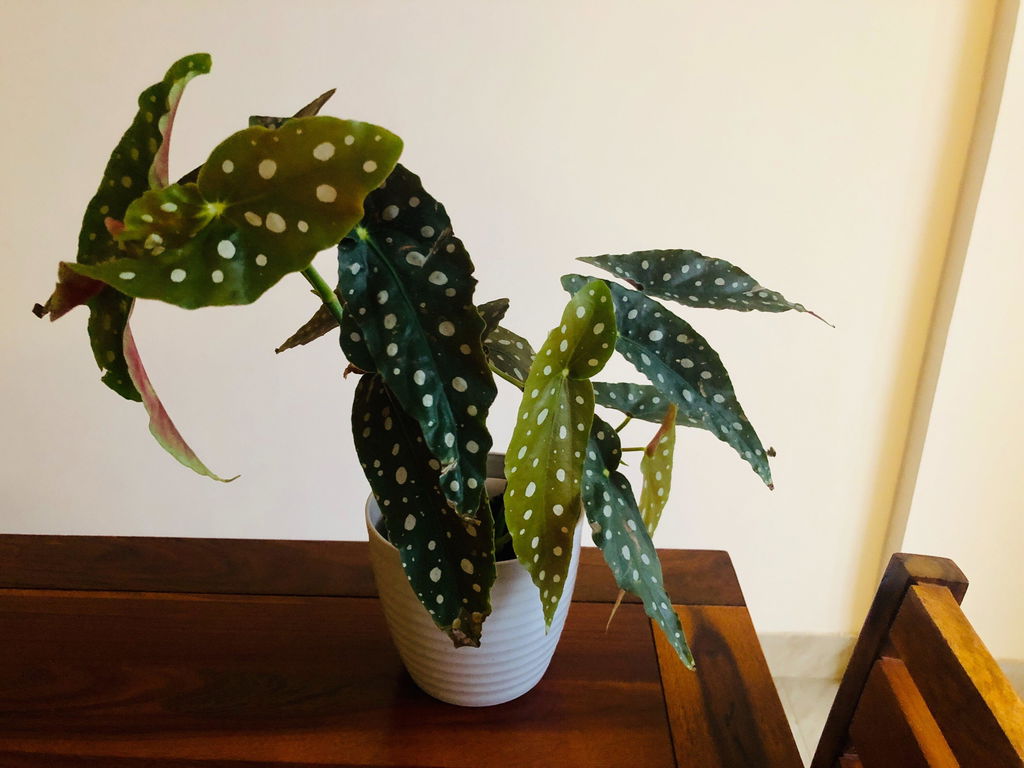
Begonia maculata, often called the Polka Dot Begonia or "Wightii," is a show-stopping cane-type begonia native to the rainforests of Brazil. It is famous for its dramatic, olive-green "dragon wing" leaves adorned with crisp, silver polka dots and striking burgundy-red undersides.

As a cane begonia, it grows upright on bamboo-like stems and can reach impressive heights if given proper support. In late winter or early spring, it produces clusters of delicate, pale-pink or white flowers that dangle beautifully from the foliage, making it a masterpiece of natural design.

🌿 Botanical Fact: Iridescent Camouflage The silver spots on the Begonia maculata aren't just for show! They are actually tiny pockets of air under the leaf surface that reflect light, helping the plant maximize photosynthesis in the low-light conditions of the forest floor while breaking up its silhouette to hide from herbivores.
☀️

Light

Thrives in bright, indirect light. While they love brightness, direct sun will quickly scorch their leaves and fade the silver spots. If the light is too low, the plant will become "leggy" and lose its vibrant red undersides.

💧

Watering

Keep the soil consistently moist but never soggy. Water when the top inch of soil feels dry. **Pro-Fact:** Begonias are sensitive to water sitting on their leaves, which can lead to fungal issues—always water at the base of the plant.

🌱

Soil & Potting

Requires a rich, airy, and well-draining potting mix. A blend of coco-peat, perlite, and pine bark is perfect to ensure the roots get enough oxygen. They prefer to be slightly root-bound in terra cotta or ceramic pots.

🌾

Feeding & Fertilization

Feed every 2–4 weeks during the growing season with a balanced liquid fertilizer diluted to half-strength. This supports the vigorous growth of the "canes" and encourages more frequent flowering.

✂️

Propagation & Pruning

Easily propagated via stem cuttings in water or moist soil. If your begonia gets too tall, don't be afraid to prune the canes; this encourages the plant to branch out and become bushier. New growth will emerge from the nodes below the cut.

⚠️ Common Issues & Quick Fixes

Crispy Brown Leaf Edges

Usually a sign of low humidity. Begonias thrive in 50% humidity or higher. Group plants together or use a humidifier to prevent the leaves from drying out at the tips.

Dropping Leaves

Often due to a sudden change in temperature or environment (shock). They dislike cold drafts or being moved frequently. Keep them in a stable, warm spot away from AC vents.

📋 Plant Specifications

Botanical Name Begonia maculata
Common Name Polka Dot Begonia, Spotted Begonia
Origin Brazil
Plant Type Cane-like Begonia
Pet Safety Toxic to pets (contains calcium oxalates)
Mature Size 3–5 feet (with support)
Size Details

1 Begonia Maculata

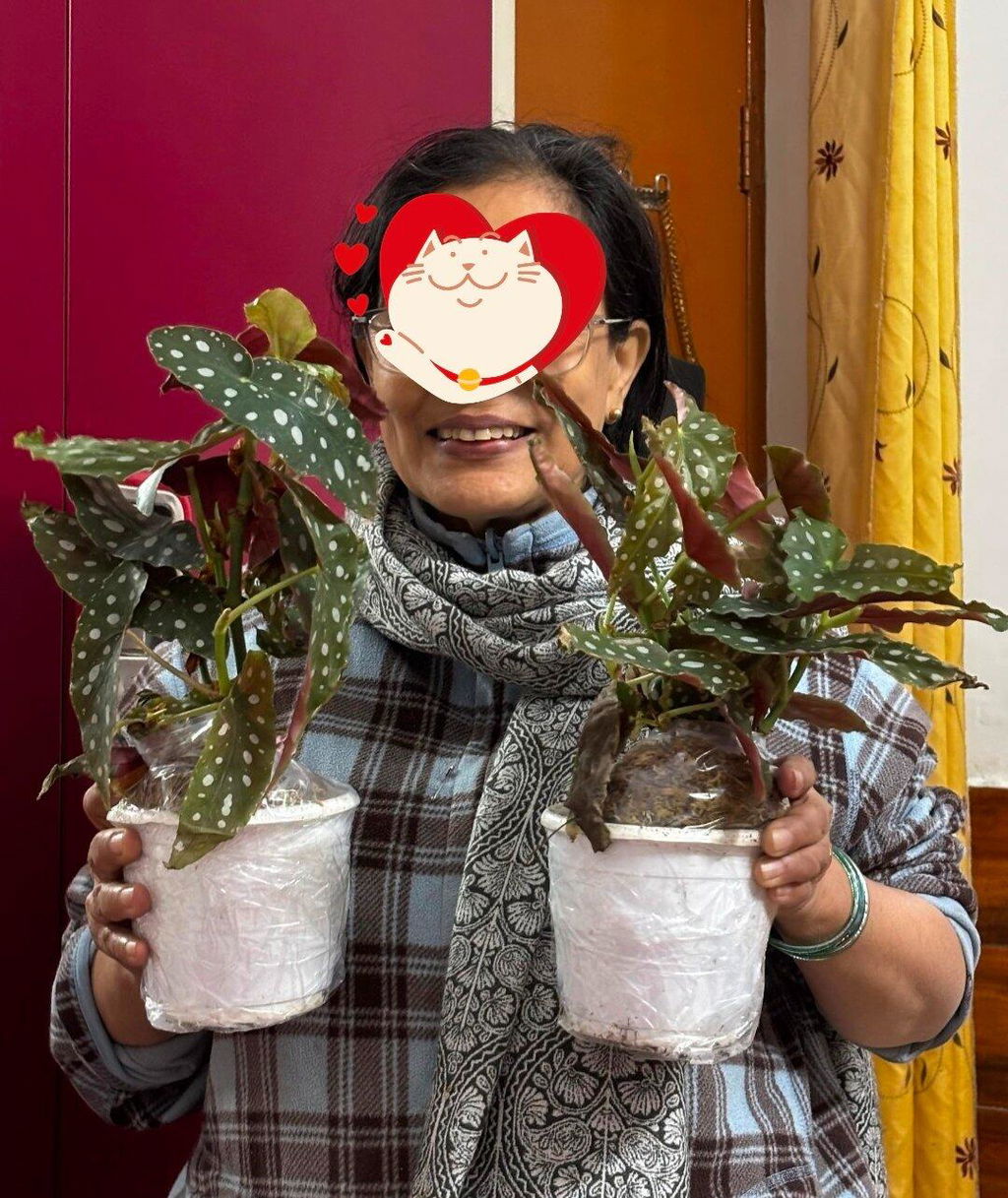
Size: Small: Single Plant
Medium: Double Plant

(Plant sizes may vary slightly based on seasonal growth, individual plant characteristics, and current stock.)

Care Instructions

Difficulty: Moderate

Light:

This plant prefers shade, meaning it grows best in areas with minimal direct sunlight. Ideal locations include corners of rooms away from windows, shaded balconies, or under larger plants or furniture where light is soft and diffused throughout the day.

Water:

Water when the top 1–2 inches of soil feel dry. Avoid overwatering & ensure pots have drainage holes. Frequency may vary with season and light, roughly once every 5–10 days.

Growing Media:

30–40% Coco Coir/Peat Moss: For moisture retention without waterlogging.
20–30% Perlite/Pumice: Improves drainage and aeration.
20–30% Leaf Compost/Orchid Bark: Enhances structure and airflow.
10–20% Vermicompost/Compost: Provides slow-release nutrients.

Optional: A handful of horticultural charcoal for added root health. This mix supports healthy, lush foliage and prevents rot in warm, humid indoor environments.

Feeding & Fertilization:

For these plants, use a balanced liquid fertilizer (such as 10-10-10 or 20-20-20) at half strength every 3–4 weeks during the growing season. They thrive with gentle, regular feeding to support healthy foliage and roots. A slow-release fertilizer applied once in spring also works well. In winter, reduce or stop feeding as growth slows.

You can also enrich the soil by mixing in a small amount of well-aged compost or vermicompost every 2–3 months. This provides a steady source of organic nutrients and improves soil structure, helping the plants stay healthy over time.

Shipping & Delivery

We ship plants within 3-4 days after placing the order if we have them in stock. If not, we’ll email you with the details. Learn More

Replacement

If your plant dies during transit, please contact us with proof, including an unboxing video, and we'll replace it for free. Learn More

You may also like