
Skip to product information




Cissus Discolor (Rex Begonia Vine)
₹ 599.00
Regular price
₹ 999.00
Sale price
₹ 599.00
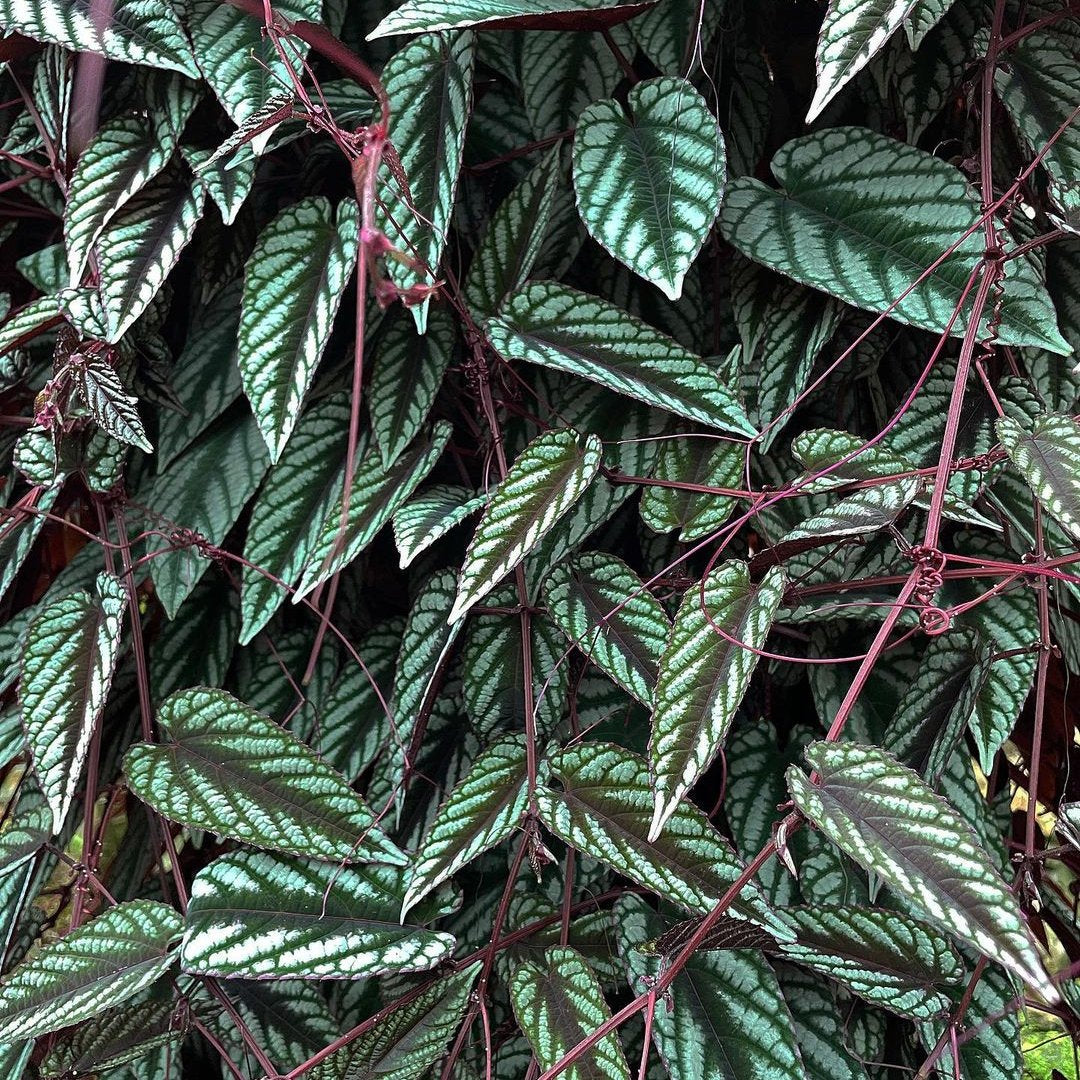
The Cissus Discolor, commonly known as the Rex Begonia Vine, is an absolute showstopper. Despite the common name, it isn't a Begonia at all, but rather a wildly fast-growing climbing vine that boasts some of the most vibrant, intricately patterned foliage in the entire botanical world. Native to the tropical regions of Southeast Asia, this climbing vine produces elongated, velvety, heart-shaped leaves that look like they were meticulously hand-painted.
Each leaf is a masterpiece of contrast: bold splashes of frosty silver and white are layered between deep, dark green veins. Flip the foliage over, and the undersides reveal a rich, striking burgundy-red that matches the plant's delicate climbing stems and curly, grasping tendrils. Whether trained up a trellis to create a colorful tapestry or allowed to cascade wildly from a hanging basket, the Cissus Discolor guarantees maximum visual drama.
Not a Begonia!
The name "Rex Begonia Vine" was given purely because the stunning silver and burgundy foliage heavily resembles the famous painted leaves of Rex Begonias. Botanically, it is actually Cissus javana (formerly Cissus discolor), placing it in the Vitaceae family—making this gorgeous exotic plant a direct relative of the common grape vine!
Completely Pet-Safe!
You can let those beautiful, velvety red vines trail all over your living room with total peace of mind. The Cissus Discolor is completely non-toxic and 100% safe to grow around cats, dogs, and children.
Winter Dormancy Warning: Don't Throw It Out!
This plant has a natural dormancy period. If temperatures drop or daylight hours shorten drastically in the winter, the vine may suddenly drop all of its leaves and look like a bundle of dead, bare twigs. Do not throw it away! Keep the soil barely moist in a warm spot; as soon as spring arrives, it will vigorously burst back to life from the roots and nodes.
Light
▾
Bright, indirect light is the key to unlocking those vivid silver and burgundy colors. A spot near an east-facing or north-facing window is ideal. It must be protected from harsh, direct afternoon sun, which will scorch the velvety foliage and bleach out the beautiful patterns. If the light is too low, the new leaves will emerge small and mostly green, losing their silver splashing.
Watering
▾
This tropical vine loves consistent moisture during its active spring and summer growing season. Allow the top 1 to 2 inches of the soil to dry out, then water thoroughly. Never let the entire root ball dry out completely, as the plant is highly dramatic and will quickly crisp up and drop leaves in protest. Reduce watering significantly during its winter dormancy.
Humidity & Temperature
▾
The Cissus Discolor is a tropical diva that absolutely demands high humidity (60% to 80%+). It thrives in bright bathrooms, terrariums, or near a humidifier. If the air is too dry, the leaf edges will quickly turn brown and crispy. It also requires warmth—temperatures dipping below 15°C will often trigger sudden leaf drop and dormancy.
Growing Media
▾
Because it needs to stay consistently moist but never soggy, a rich, well-draining potting mix is essential. Combine a high-quality indoor potting soil with generous amounts of perlite and a bit of peat moss or coco coir to retain just the right amount of hydration without suffocating the roots.
Feeding
▾
This is a remarkably fast-growing vine that requires fuel to support all that spectacular foliage. Feed every two weeks during the active spring and summer growing season using a balanced, water-soluble houseplant fertilizer diluted to half strength. Stop feeding entirely during winter dormancy.
Common Issues & Quick Fixes
Sudden Leaf Drop (Going Bald)
▾
If your Cissus suddenly starts dropping handfuls of green leaves, it has likely been shocked by a cold draft (AC vents or winter windows) or the soil has completely dried out. If it happens in winter, it is entering natural dormancy. Keep it warm, reduce watering, and wait for spring regrowth!
Crispy, Brown Leaf Edges
▾
This is the most common sign that the ambient air is far too dry. This plant hates dry indoor air. Move the plant away from heating or cooling vents and use a humidifier to boost the moisture levels in the immediate surrounding area.
Loss of Silver Variegation
▾
If the new leaves are emerging mostly dark green without the striking frosty silver patches, the plant is not receiving enough bright, indirect light. Relocate the vine to a brighter spot (while still avoiding direct sun) to encourage the vibrant patterns to return on new growth.
Quick Plant Profile
▾
| Botanical Name | Cissus javana (formerly Cissus discolor) |
| Common Names | Rex Begonia Vine, Tapestry Vine |
| Family | Vitaceae (Grape family) |
| Origin | Southeast Asia (Java, Indonesia) |
| Leaf Detail | Elongated heart-shape, silver and green top, solid burgundy-red underside. |
| Growth Habit | Fast-growing trailing/climbing vine with grasping tendrils. |
| Watering Rule | Keep evenly moist. Allow only top 1-2 inches to dry. Never let it go bone dry. |
| Light | Bright indirect light. Essential for the silver patterns. |
| Humidity | High humidity (60%+). Crucial to prevent crispy leaves. |
| Temperature | 18°C–29°C. Very sensitive to cold. Goes dormant below 15°C. |
| Toxicity | Non-toxic and 100% pet-safe for cats and dogs! |
| Ideal For | Trellises, hanging baskets, humid environments, terrariums. |
| Care Level | Intermediate — Demands high humidity, warmth, and consistent watering. |