Skip to product information


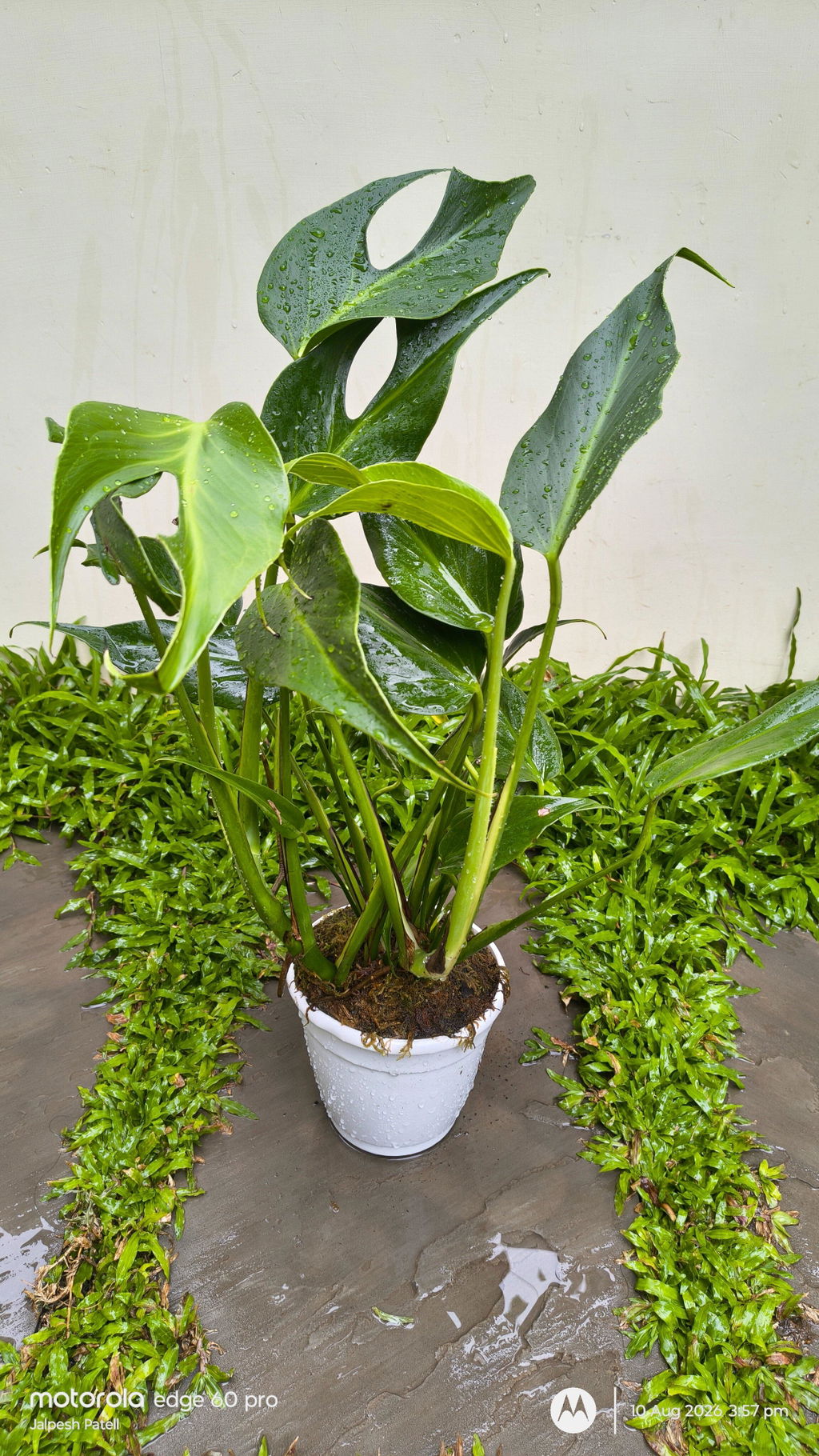
Monstera Burle Marx Flame
Regular price
₹ 6,500.00
Sale price
₹ 1,699.00
The Monstera Burle Marx Flame is a botanical masterpiece, a plant that truly earns its dramatic, evocative moniker. Named in honour of the legendary Brazilian landscape architect Roberto Burle Marx, this elusive and highly sought-after aroid features foliage that uncannily mimics the shape of a flickering green flame. While unclassified as a definitive species (often referred to simply as Monstera sp. 'Burle Marx Flame'), it stands completely apart from the common Monstera deliciosa. Instead of broad, sweeping leaves with neat holes, the Burle Marx Flame develops extreme, deep fenestrations that cut all the way to the midrib, leaving incredibly narrow, skeletal leaflets. The texture is equally remarkable — exceptionally thick, rigid, and almost cardboard-like to the touch. Native to the dense tropical forests of Brazil, this is a slow, deliberate climber that rewards patience with some of the most spectacular, architecturally stunning foliage in the entire plant kingdom.
The Dramatic Transformation — From Spade to Flame
Don't be surprised if a young Burle Marx Flame looks nothing like a fire. In its juvenile stage, the leaves are entirely solid, tear-shaped, and rather unassuming. The magic only happens as the plant climbs and matures. It is a true testament to the incredible morphogenic aroid lifecycle. The plant requires vertical height, a sturdy surface to grip, and time before it begins to dramatically split and reveal its signature, deeply incised, flame-like foliage.
A Non-Negotiable Climber — Moss Pole Required
If you want this plant to split and thrive, it must climb. A sturdy moss pole, coco coir totem, or a rough wooden cedar plank is absolutely essential. As the thick aerial roots attach and the plant gains vertical elevation, it triggers the hormonal response required for the leaves to increase in size and develop their spectacular fenestrations. If left to trail or hang, the Burle Marx Flame will permanently revert to its solid, small, juvenile form.
Light
▾
Bright, indirect light is crucial for both growth speed and fenestration. Position it near an east or west-facing window where it can receive plenty of ambient light, or even an hour or two of gentle, early morning sun. Insufficient light will drastically slow its already leisurely growth rate and delay the leaf-splitting process. However, avoid harsh, direct afternoon sun, which will scorch and bleach the beautiful dark green, cardboard-thick foliage. Grow lights are highly effective for maintaining consistent growth indoors.
Watering
▾
The Burle Marx Flame has incredibly thick, fleshy roots that are highly susceptible to rot if suffocated in wet soil. Allow the top 50% to 75% of the potting mix to dry out completely before watering thoroughly. When you do water, soak it until water runs freely from the drainage holes, but never let the pot sit in standing water. In winter, reduce watering frequency significantly. If you are keeping a moss pole moist for climbing, you will likely need to water the soil less often.
Humidity
▾
While it can tolerate average indoor humidity thanks to its thick, leathery leaves, it truly thrives and grows much faster in high humidity environments (60% to 80%). Elevated humidity keeps the aerial roots active and searching for the moss pole, which is critical for sizing up. Use a humidifier nearby, group it with other plants, or place it in a greenhouse cabinet to encourage its best and fastest growth.
Growing Media
▾
An extra-chunky, highly aerated aroid mix is absolutely vital to protect its thick root system. A standard potting soil will lead to root rot. Create a blend using premium potting soil mixed heavily with large orchid bark, coarse perlite or pumice, horticultural charcoal, and coco chips. The water should drain through the pot almost instantly when poured. Repotting should only be done when the plant is completely rootbound, as it prefers a snug environment.
Feeding
▾
Feed with a balanced, high-quality liquid fertilizer diluted to half strength every 2 to 4 weeks during the active growing season (spring and summer). Because it is a slower-growing Monstera, do not over-fertilize, as excess mineral salts can easily burn the roots. Ensure you flush the soil with plain water every few months to remove any buildup. Pause all feeding during the cooler winter months when growth stalls.
Common Issues & Quick Fixes
Leaves Not Splitting / Staying Solid
▾
The plant lacks either vertical climbing support or adequate light. The Burle Marx Flame will only produce its dramatic, skeletonized fenestrations when it feels securely anchored to a climbing structure (like a moist moss pole) and receives bright, indirect light. If it's trailing, it will permanently produce small, juvenile, spade-shaped leaves.
Yellowing Lower Leaves / Mushy Stems
▾
This is the classic sign of root rot, caused by a soil mix that is too dense or watering too frequently. The thick roots of this plant need air to breathe. Unpot the plant, trim away any black or mushy roots, and repot into a significantly chunkier, bark-heavy mix. Allow the soil to dry out much further between waterings.
Brown, Crispy Leaf Edges or Tips
▾
Usually a sign of inconsistent watering (letting the plant stay bone dry for too long) or critically low humidity. Ensure you are watering deeply when the soil is dry, rather than giving it frequent shallow sips. Keep the plant away from AC drafts and heating vents, and consider adding a humidifier.
Extremely Slow Growth
▾
First, be patient; the Burle Marx Flame is naturally a much slower grower than the standard Monstera deliciosa. However, if growth has completely stalled during the warmer months, the plant likely needs more light, higher humidity, or its aerial roots lack a moist moss pole to root into. Providing a warm, humid environment will noticeably speed up its metabolism.
Quick Plant Profile
▾
| Botanical Name | Monstera sp. 'Burle Marx Flame' (Unclassified, sometimes sold as M. dilacerata) |
| Name Meaning | Named in honour of Roberto Burle Marx, the famed Brazilian landscape architect and plant collector |
| Common Names | Monstera BMF, Burle Marx Flame, Flame Monstera |
| Family | Araceae |
| Origin | Native to the tropical rainforests of Brazil |
| Leaf Detail | Extremely thick, cardboard-like texture; deeply pinnatifid (fenestrated) leaving narrow, flame-like leaflets |
| Growth Habit | Climbing hemiepiphyte; MUST be given a moss pole or wooden plank to mature and split |
| Growth Rate | Slow to moderate; noticeably slower than Monstera deliciosa |
| Watering Rule | Allow the top 50–75% of the chunky soil to dry out completely before watering deeply |
| Light | Bright indirect light; can tolerate 1-2 hours of gentle morning sun; essential for fenestration |
| Humidity | 60%+ highly recommended for optimal leaf sizing and aerial root health |
| Temperature | 18°C–29°C; sensitive to cold drafts; keep above 15°C |
| Propagation | Stem and node cuttings; root in water, moist sphagnum moss, or perlite |
| Ideal For | Rare Plant Collectors, Aroid Enthusiasts, Statement Moss Pole Displays |
| Care Level | Intermediate — Requires strict watering discipline, a chunky soil mix, and dedicated climbing support |
Size Details
1 Monstera Burle Marx Flame
Size:
(Plant sizes may vary slightly based on seasonal growth, individual plant characteristics, and current stock.)
Shipping & Delivery
We ship plants within 3-4 days after placing the order if we have them in stock. If not, we’ll email you with the details. Learn More
Replacement
If your plant dies during transit, please contact us with proof, including an unboxing video, and we'll replace it for free. Learn More