Skip to product information



Philodendron Jose Buono
₹ 999.00
Regular price
₹ 1,800.00
Sale price
₹ 999.00
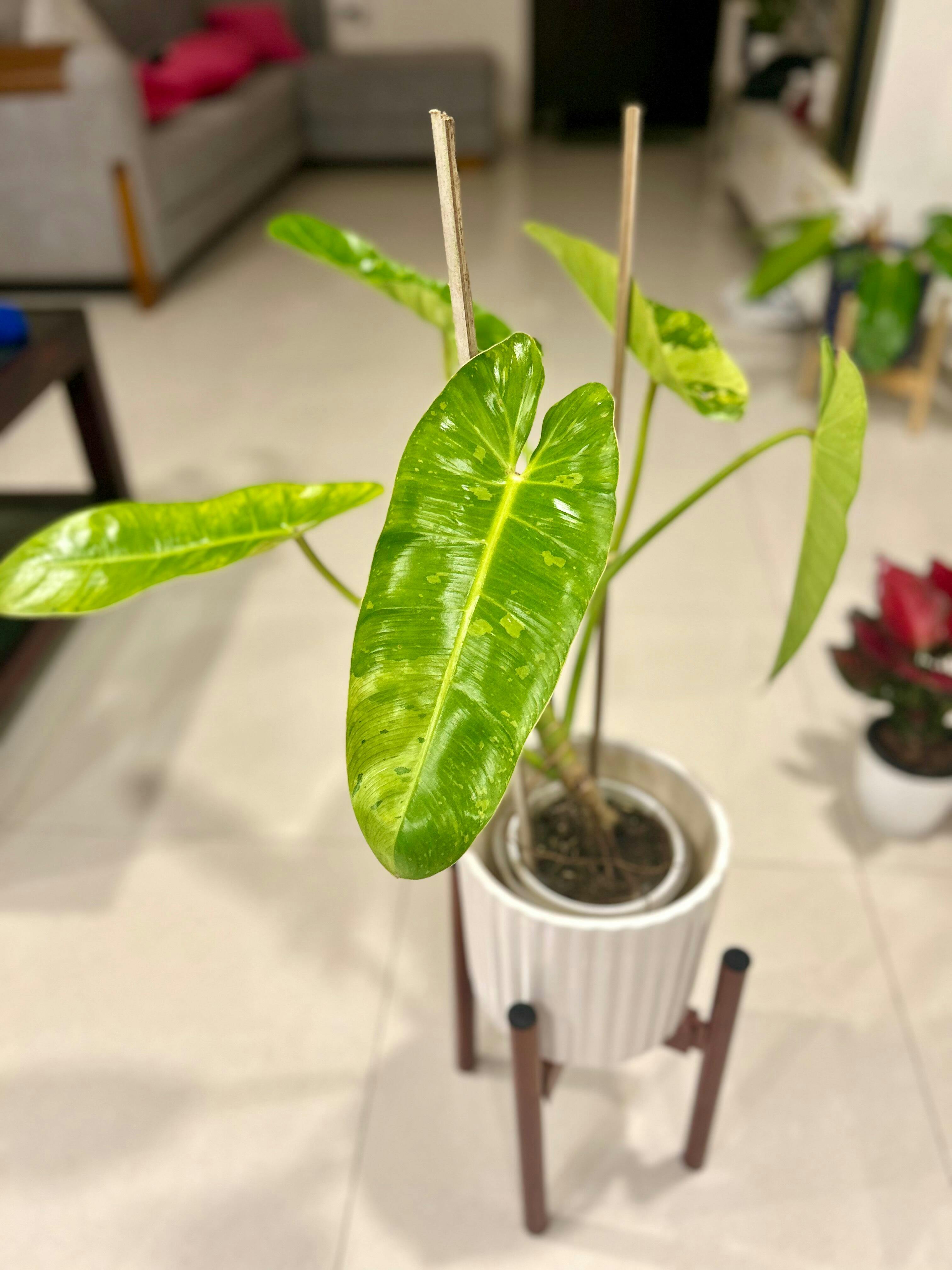
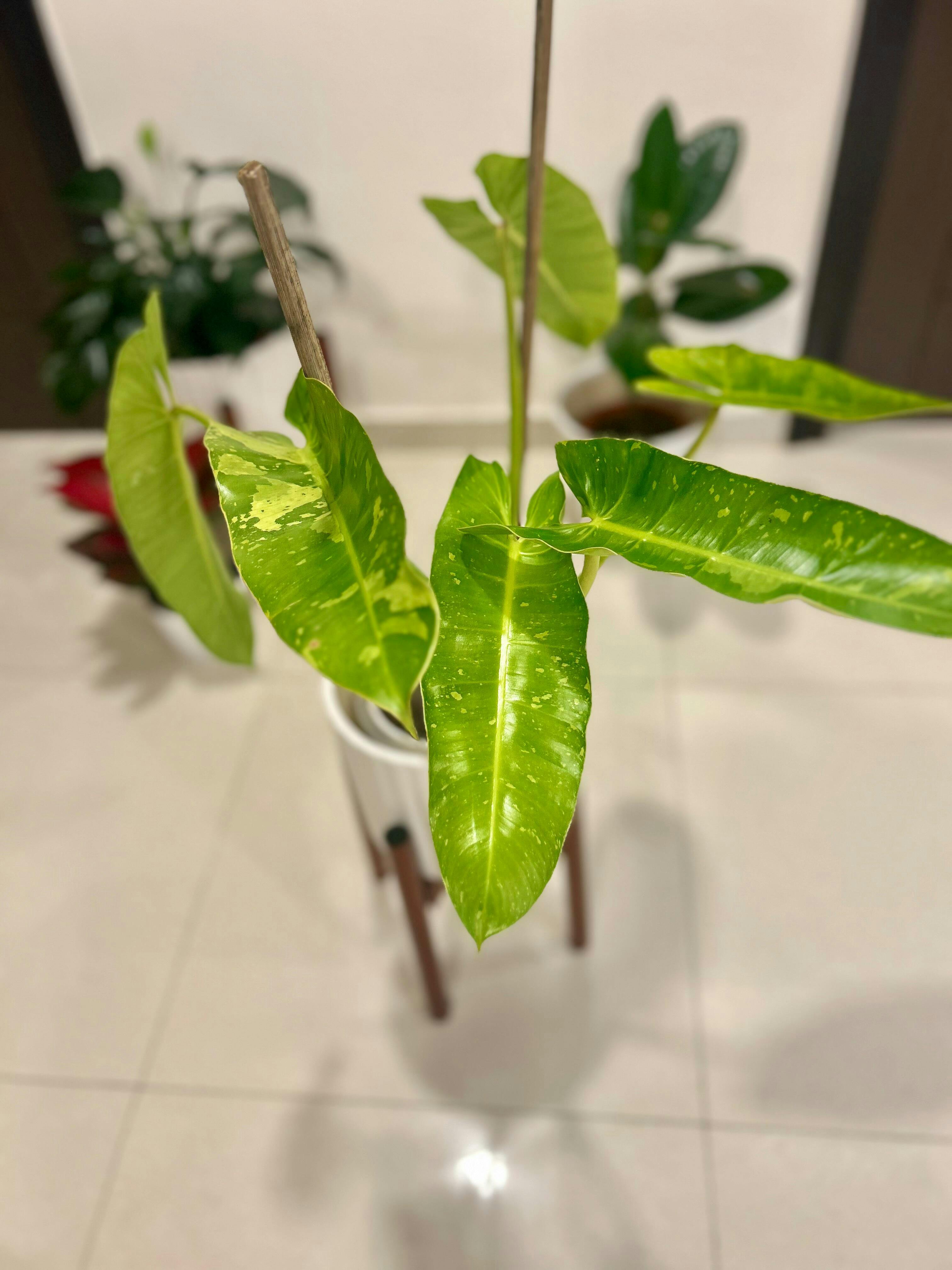
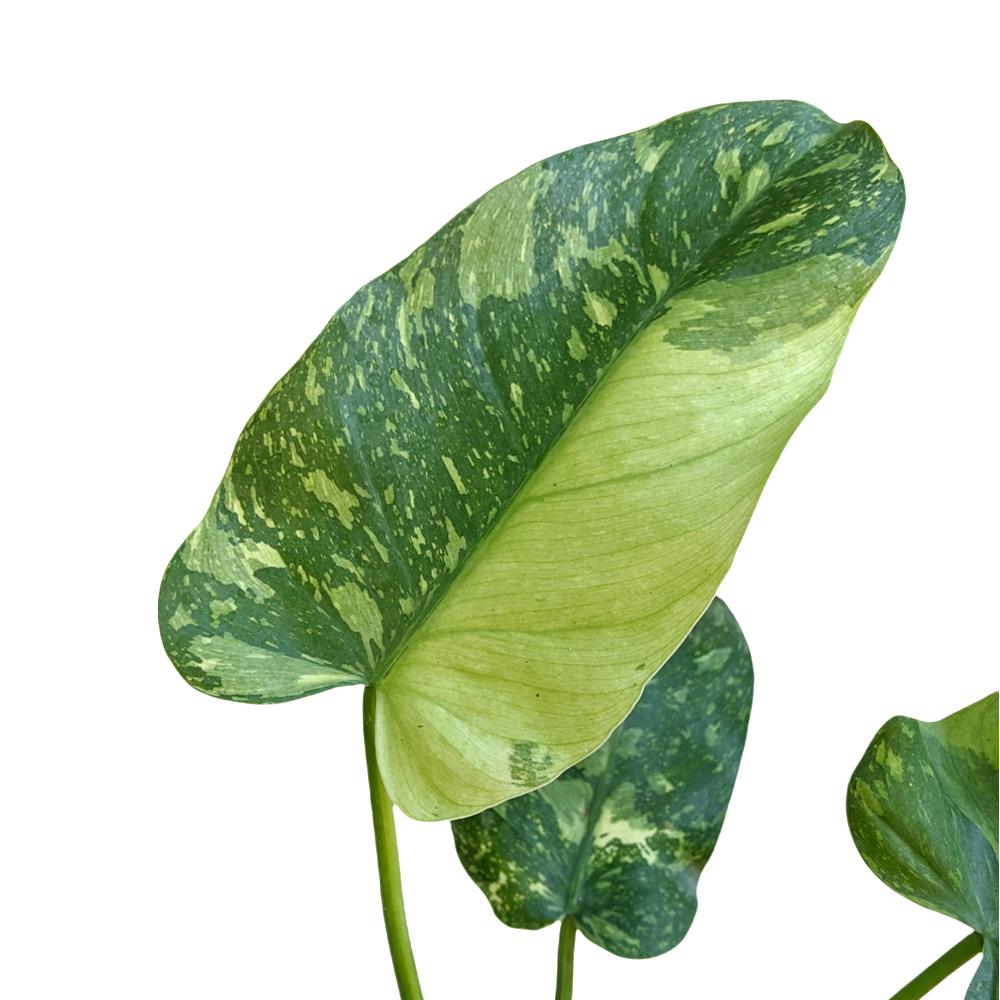
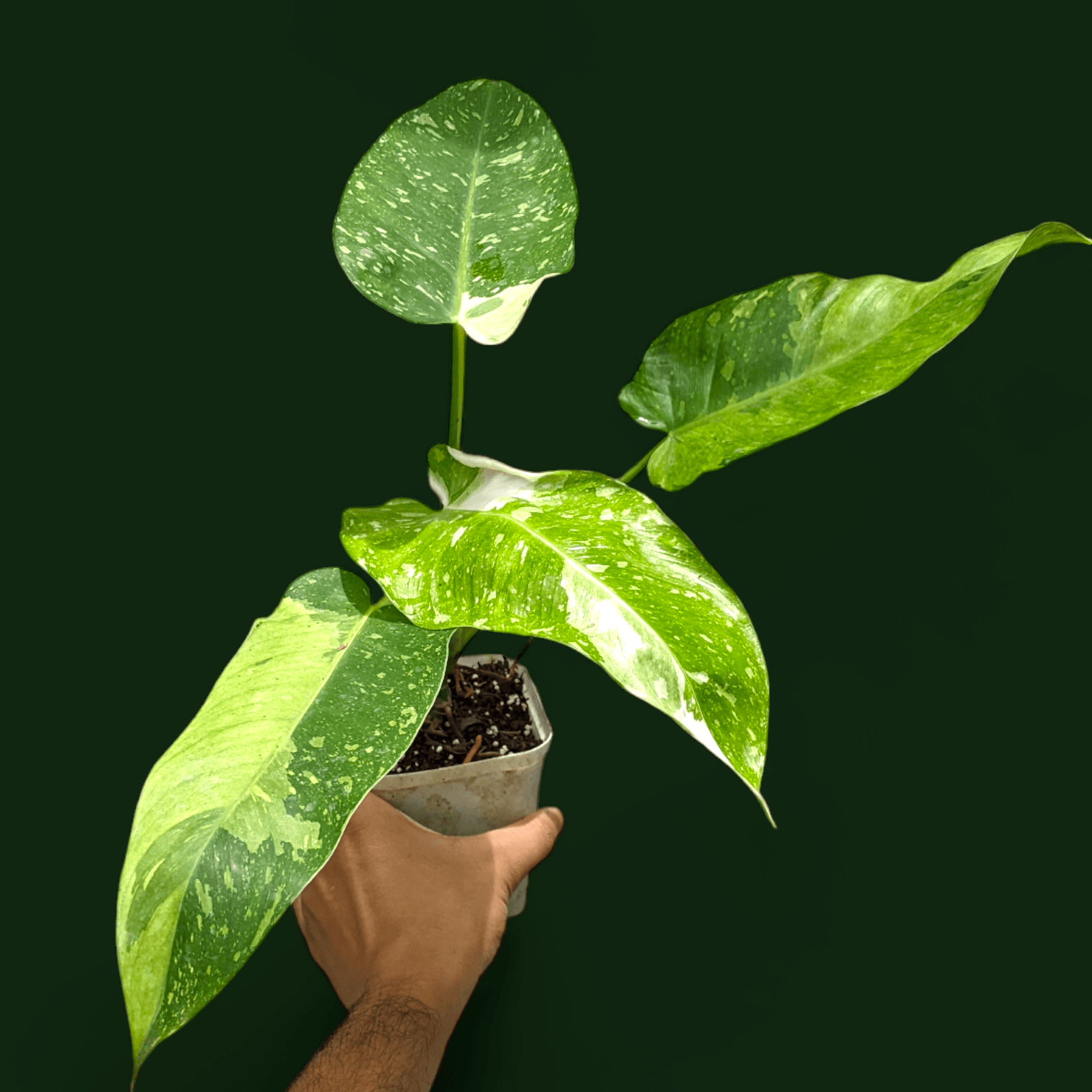
The Philodendron 'Jose Buono' is a massive, structural titan of the variegated plant world. Highly coveted for its large, elongated, spade-shaped leaves, this plant is a true master of variegation. Unlike many other variegated species, the Jose Buono is famously "stable," meaning it reliably produces spectacular patterns of splashes, blocks, and marbling in shades of star-white, cream, and neon yellow against a rich emerald green backdrop.
As a large-form climber, this plant is built for scale. With proper support, the leaves can grow impressively large—sometimes reaching over 2 feet in length—creating a lush, tropical wall of high-contrast foliage. It is a vigorous grower that manages to be both a rare collector's specimen and a relatively hardy companion for those who have mastered basic aroid care.
The "Stable" Variegation King
One of the greatest appeals of the Jose Buono is its reliable variegation. While most variegated plants risk "reverting" to solid green in lower light, the Jose Buono is known for maintaining its white and cream splashes quite well. However, providing optimal light will always reward you with more dramatic and blocky white patches.
Size Matters: Give it Support!
To see the true glory of a Jose Buono, you must provide it with a heavy-duty moss pole or a sturdy cedar plank. As a natural hemiepiphyte, it uses its thick aerial roots to anchor itself and climb. Vertical support signals the plant to size up its foliage, transforming it from a medium-sized houseplant into a massive, floor-to-ceiling focal point.
Caution: Toxic to Pets
Like all Philodendrons, the Jose Buono contains calcium oxalate crystals. Chewing or ingesting the leaves or stems can cause severe mouth irritation, drooling, and stomach upset in cats, dogs, and humans. Please keep this large-leaf beauty out of reach of curious pets and toddlers.
Light
▾
Bright, indirect light is the key to massive leaves and high-contrast variegation. A spot near a large east-facing window or a few feet back from a south/west window is ideal. It can tolerate slightly lower light than other rare variegated plants, but its growth rate and variegation intensity will slow down. Never place it in harsh, direct afternoon sun, which will scorch the delicate white sections of the leaves.
Watering
▾
Allow the top 50% of the soil to dry out completely before watering thoroughly. The Jose Buono prefers consistent moisture but hates "wet feet." Ensure water drains freely from the bottom of the pot. In the humid climates of India, watering every 7–10 days is typical, but always check the soil moisture with your finger first.
Humidity
▾
While it is more adaptable than many rare aroids, it truly thrives in humidity levels above 60%. High humidity ensures that the large new leaves emerge smoothly from their sheaths without getting stuck or tearing. If your home air is dry, use a humidifier or group it with other plants to create a microclimate.
Growing Media
▾
A chunky, ultra-well-draining aroid mix is non-negotiable for these thick roots. Do not use dense potting soil. Combine high-quality potting soil with equal parts orchid bark, coarse perlite, and horticultural charcoal. This ensures the roots stay aerated and prevents the onset of root rot.
Feeding
▾
This is a vigorous grower that appreciates regular nutrients. Feed every two to four weeks during the active spring and summer months using a balanced liquid fertilizer diluted to half strength. Pause fertilization during the cooler winter months when growth naturally slows.
Common Issues & Quick Fixes
Brown, Crispy Patches on Variegated Areas
▾
This is usually a sign of low humidity or inconsistent watering. The white parts of the leaf do not photosynthesize and are the first to suffer if the plant is stressed. Increase ambient humidity and ensure you are using filtered or dechlorinated water to prevent mineral salt build-up on the leaves.
Leaves Getting Smaller or Leggy
▾
If new leaves are emerging smaller than the previous ones, the plant is either lacking light or lacking vertical support. Move it closer to a bright light source and ensure it is firmly attached to a moss pole. Without something to climb, the plant will never reach its mature leaf size.
Yellowing Lower Leaves
▾
Occasional yellowing of the oldest leaf is normal. However, if multiple leaves are turning yellow and mushy, it is a definitive sign of overwatering. Check the soil mix and reduce watering frequency immediately.
Quick Plant Profile
▾
| Botanical Name | Philodendron 'Jose Buono' |
| Common Names | Jose Buono Philodendron |
| Family | Araceae (Aroid family) |
| Origin | Cultivar (Species native to South America) |
| Leaf Detail | Large, elongated spade-shaped leaves with stable splashes of white and cream variegation. |
| Growth Habit | Vigorous large-form climber. Requires a sturdy moss pole. |
| Watering Rule | Allow top 50% of soil to dry out. Sensitive to waterlogging. |
| Light | Bright indirect light. Maintains variegation well even in moderate light. |
| Humidity | Prefers high humidity (60%+). Helps large leaves unfurl perfectly. |
| Temperature | 18°C–29°C. Protect from cold drafts and frost. |
| Toxicity | Contains calcium oxalate. Toxic to cats, dogs, and humans if ingested. |
| Ideal For | Aroid collectors, large indoor spaces, statement corners, moss pole setups. |
| Care Level | Intermediate — Vigorous and resilient, but needs space and chunky soil. |