Skip to product information


Philodendron Strawberry Shake
Regular price ₹ 4,900.00
Sale price
₹ 1,699.00
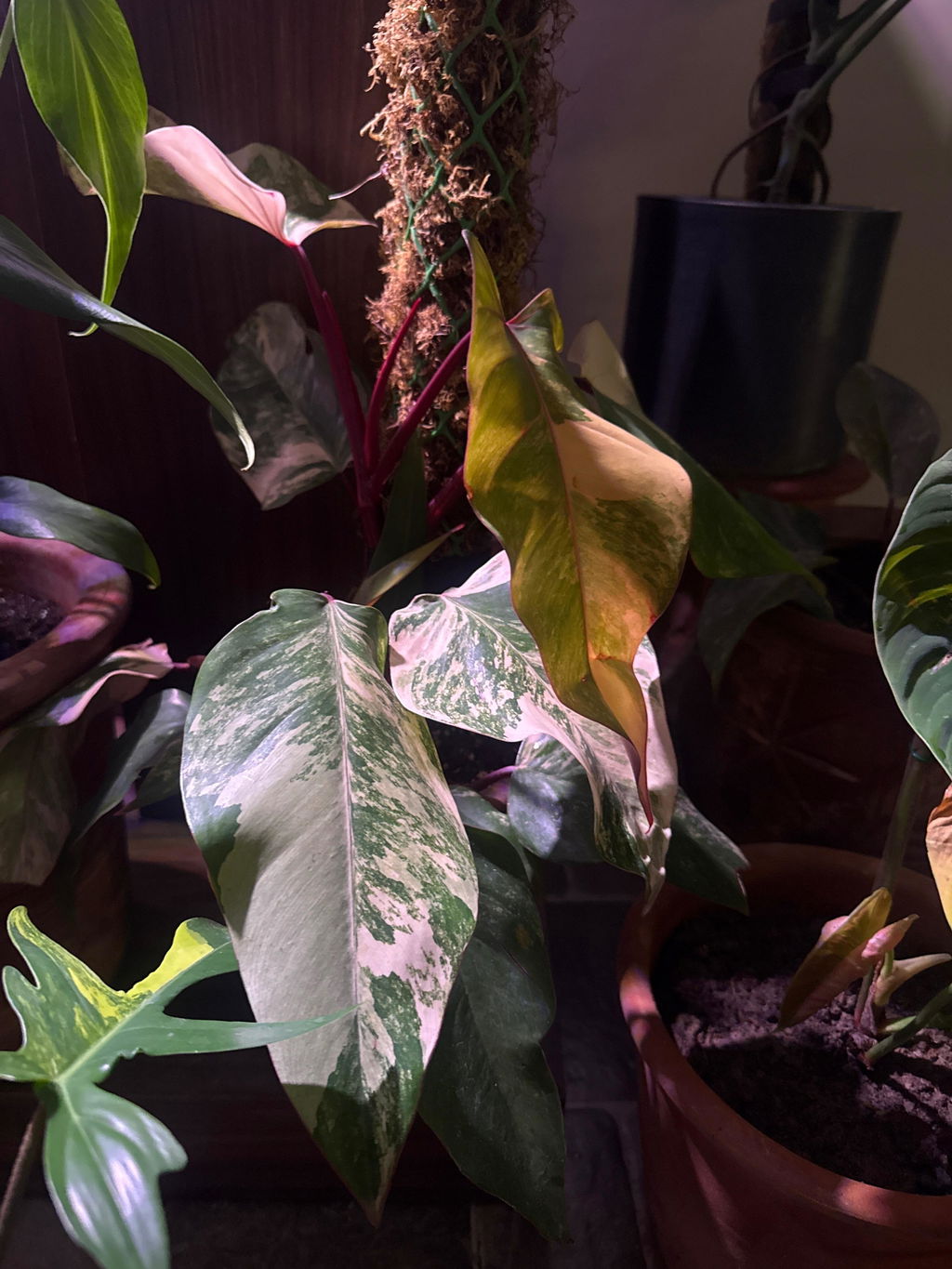
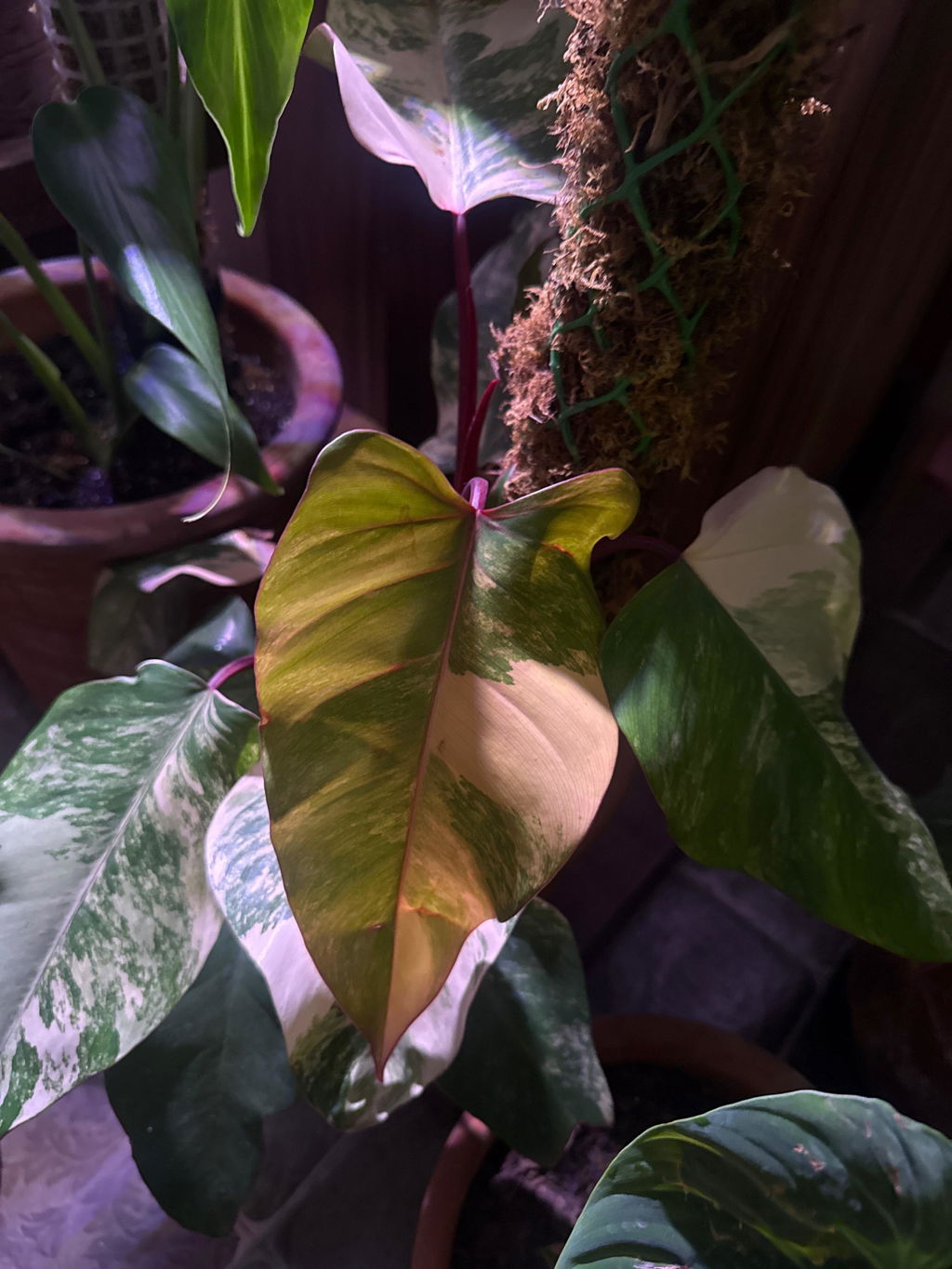
The Philodendron Strawberry Shake is the ultimate crown jewel for rare aroid collectors. A breathtaking chimeric mutation of the classic Philodendron erubescens, this vining masterpiece is famous for its triangular, spade-shaped leaves splashed with a dramatic cocktail of variegation. Each leaf emerges completely uniquely, displaying striking patches of deep forest green, mint, bright orange, pale cream, and its namesake soft strawberry pink, all held up by brilliant ruby-red stems.
Unlike some delicate rare plants, the Strawberry Shake is surprisingly resilient and a relatively eager grower once established. As a natural hemiepiphyte, it desperately wants to climb. Given the right support, the leaves will dramatically increase in size, and the incredible mosaic of colors will only become more vibrant and pronounced, making it a spectacular focal point for any indoor jungle.
The Magic of Unstable Variegation
The stunning colors of the Strawberry Shake are naturally occurring and entirely unpredictable. No two leaves will ever be the same! Some leaves may emerge highly mottled with pinks and creams, while others may be half-moon, or mostly green with tiny specks. This continuous element of surprise is exactly what makes growing this plant so incredibly rewarding.
Give It a Pole to Climb!
To unlock the full potential of this Philodendron, you must give it something to climb. Providing a sturdy moss pole, coco coir pole, or wooden trellis allows the plant's aerial roots to latch on. This vertical support signals to the plant that it is secure, encouraging it to produce massive, heavily variegated mature foliage.
Caution: Toxic to Pets
Like all Philodendrons, the Strawberry Shake contains calcium oxalate crystals. Chewing or ingesting the leaves or stems can cause severe mouth irritation, drooling, and stomach upset in cats, dogs, and humans. Please keep this rare beauty out of reach of curious pets and toddlers.
Light
▾
Light is the absolute key to maintaining those beautiful pink and orange splashes. It requires very bright, indirect sunlight to keep its variegation strong. If the light is too low, the plant will revert to green to produce more chlorophyll to survive. A spot near an east-facing window with gentle morning sun is perfect. However, avoid harsh, direct afternoon sun, as the lighter variegated patches lack protective pigments and will scorch easily.
Watering
▾
This aroid prefers to dry out partially between waterings. Allow the top 50% to 75% of the soil to dry completely before giving it a thorough soak. Ensure water runs out of the drainage holes and never leave the plant sitting in a saucer of water, as the thick roots are highly susceptible to root rot if left suffocating in mud.
Humidity
▾
Hailing originally from tropical rainforest environments, it thrives in high humidity (60% or higher). While it can adapt to average household humidity, pushing the humidity up with a humidifier will keep those highly variegated leaf sections plump, crisp, and free from brown, dry edges.
Growing Media
▾
A chunky, ultra-well-draining aroid mix is absolutely critical. Do not use straight indoor potting soil. Create a mix using equal parts high-quality potting soil, orchid bark, coarse perlite, and a handful of horticultural charcoal or coco chips. This ensures the roots have plenty of oxygen even after a deep watering.
Feeding
▾
Feed every two to three weeks during the active growing season (spring and summer) using a balanced, high-quality liquid fertilizer diluted to half strength. Variegated plants often need a bit of a nutritional boost to grow vigorously since they have less chlorophyll-producing green tissue.
Common Issues & Quick Fixes
Reverting (Losing Variegation)
▾
If your new leaves are emerging entirely green, the plant either needs significantly more bright, indirect light, or the variegation gene has naturally stabilized to green. Move it closer to a light source. If it pushes out 3 or 4 completely green leaves in a row, you may need to cleanly prune the stem back down to the last node that showed good variegation on the stem itself to force a new, variegated growth point.
Brown, Crispy Spots on Variegation
▾
The pink and cream sections of the leaf do not photosynthesize and are naturally much weaker than the green sections. If the air is too dry, or if the plant is exposed to direct, hot sunlight, these sections will be the first to crisp up and turn brown. Increase ambient humidity and ensure the light is bright but filtered.
Yellowing Lower Leaves
▾
Occasional yellowing of the oldest, bottom-most leaf is a normal part of the plant's life cycle. However, if multiple lower leaves are turning yellow simultaneously and the soil feels heavy and wet, it is a definitive sign of overwatering or a soil mix that is not draining fast enough.
Quick Plant Profile
▾
| Botanical Name | Philodendron erubescens 'Strawberry Shake' |
| Common Names | Strawberry Shake Philodendron, Blushing Philodendron |
| Family | Araceae (Aroid family) |
| Origin | Cultivar (Species native to Colombia/South America) |
| Leaf Detail | Spade-shaped, glossy leaves with chimeric splashes of green, orange, cream, and pink. Red stems. |
| Growth Habit | Climbing, vining hemiepiphyte. Requires a moss pole or trellis to reach mature size. |
| Watering Rule | Allow the top 50%-75% of the soil to dry out before soaking. |
| Light | Bright indirect light. Absolutely crucial for maintaining high variegation. |
| Humidity | Prefers high humidity (60%+). Helps prevent browning on variegated spots. |
| Temperature | 18°C–29°C. Sensitive to cold drafts; keep away from AC vents. |
| Toxicity | Contains calcium oxalate. Toxic to cats, dogs, and humans if ingested. |
| Ideal For | Rare plant collectors, moss pole enthusiasts, bright indoor rooms. |
| Care Level | Intermediate — Requires attention to light levels and a chunky, well-draining soil mix. |